26 Simple Home Organization Ideas That Change Everything
Have you ever walked into your home after a long day, only to be greeted by clutter on every surface, shoes scattered by the door, and mail piling up on the counter? You’re not alone. Most of us struggle with keeping our homes organized, not because we’re lazy, but because we haven’t found systems that actually work for our lifestyle.
The truth is, organization isn’t about being perfect or having a picture-perfect home straight out of a magazine. It’s about creating simple systems that make your daily life easier, reduce stress, and help you find what you need when you need it. After years of trial and error and plenty of organizing fails. I’ve discovered simple home organization ideas that genuinely transform how your space functions.
These aren’t complicated solutions that require hours of work or expensive organizing systems. They’re practical, achievable ideas that anyone can implement, regardless of budget or home size. Let’s dive in.
Home Organization Ideas
1. Use the “One In, One Out” Rule
Every time you bring something new into your home, remove one similar item. Bought a new shirt? Donate an old one. This simple habit prevents clutter from building up over time and keeps your belongings at a manageable level. It sounds strict, but once you commit to this rule, you’ll notice how much easier it becomes to maintain an organized home. You’ll also become more intentional about what you purchase in the first place.
2. Create a Daily Drop Zone GAME-CHANGER
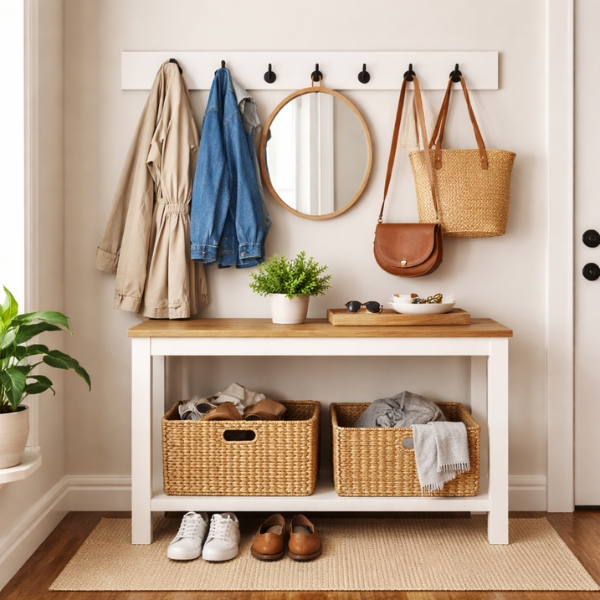
Designate one specific spot near your entryway for keys, wallets, sunglasses, and other daily essentials. This could be a small tray on a console table, a wall-mounted organizer, or even a dedicated basket. When everything has its place right by the door, you’ll stop wasting time searching for your keys every morning.
Here’s exactly how to set this up:
Start by observing what items you and your family actually carry daily. For most households, this includes keys, phones, wallets, sunglasses, and maybe a work badge or transit card. Choose a spot within arm’s reach of your front door—ideally at a height that’s comfortable for everyone in the family.
For a basic drop zone, you’ll need a shallow tray or bowl for small items (about 8-10 inches wide works perfectly), 3-5 hooks mounted on the wall for bags and jackets, and a basket or bin below for shoes. If you have kids, add a lower hook just for them so they can independently hang up their backpacks.
The magic happens when you make this the ONLY place these items go. For the first week, you’ll catch yourself setting keys on the kitchen counter out of habit. Simply move them to the drop zone immediately. Within two weeks, the new habit will stick, and you’ll never waste 10 minutes searching for your keys again.
Pro tip: Keep a small notepad or whiteboard in your drop zone for quick reminders like “pick up milk” or “return library books.” This captures those fleeting thoughts the moment you walk in the door.
3. Store Cleaning Supplies in Every Bathroom
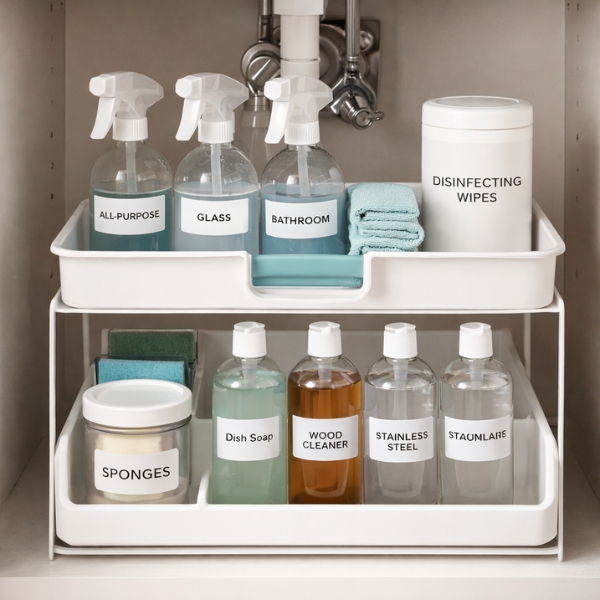
Instead of keeping all your cleaning supplies in one location, store a small caddy of essentials under each bathroom sink. Include all-purpose cleaner, glass cleaner, and a few microfiber cloths. This makes it incredibly easy to do quick cleanups without having to trek across the house for supplies. You’ll find yourself cleaning more often simply because it’s convenient.
4. Use Clear Storage Containers
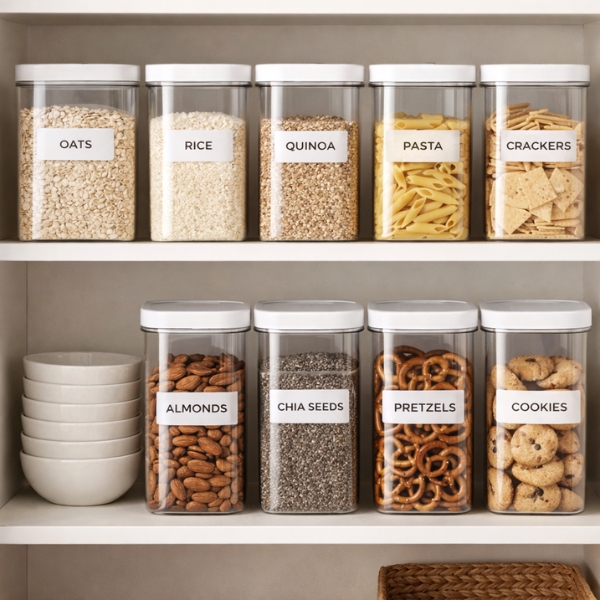
Switch from opaque bins to clear containers for storing items in closets, pantries, and cabinets. Being able to see what’s inside at a glance saves time and prevents you from buying duplicates of things you already own. Label each container clearly so everyone in your household knows exactly where things belong. Clear containers might cost a bit more upfront, but they’re worth every penny for the time and frustration they save.
5. Maximize Vertical Space
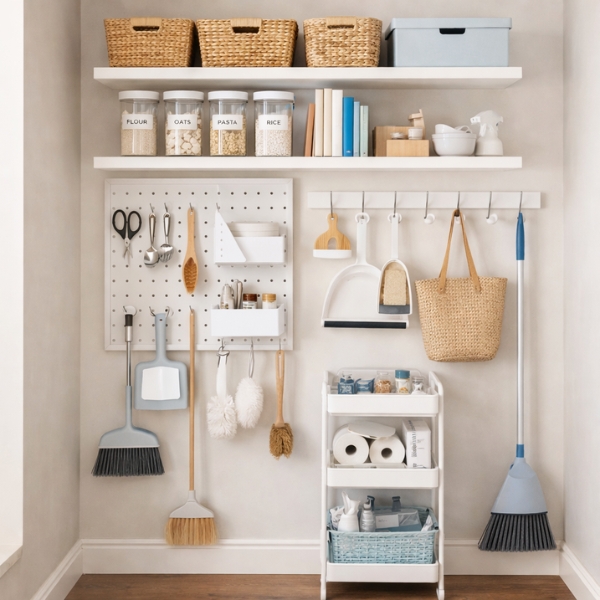
Most homes have tons of unused vertical space just waiting to be utilized. Install floating shelves in awkward corners, add hooks to the backs of doors, or hang a pegboard in your garage or craft room. Going vertical frees up floor and counter space while keeping frequently used items easily accessible. This is especially helpful in small homes or apartments where every square inch counts.
6. Create a Command Center
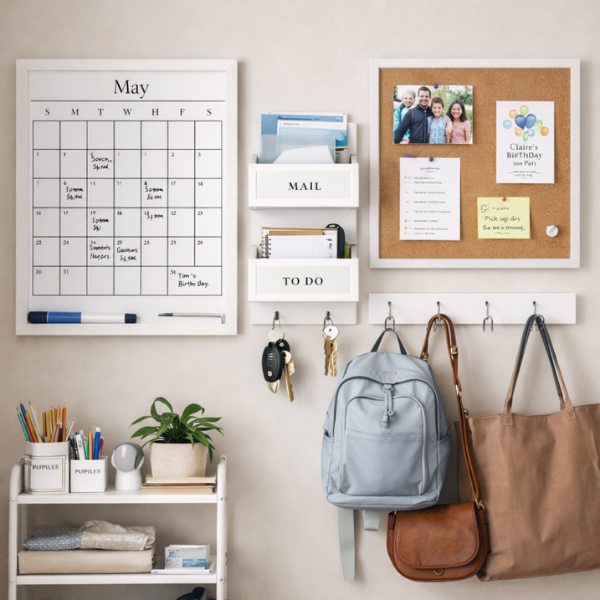
Dedicate one wall or area as your family’s command center. Include a calendar for tracking appointments, a bulletin board for important papers, hooks for bags and keys, and small bins for sorting mail. Having everything in one central location means no more frantic searches for permission slips or bills that need to be paid. This becomes the hub of your household organization system.
7. Implement the “Touch It Once” Rule GAME-CHANGER
When you pick up an item whether it’s mail, laundry, or a random object deal with it immediately rather than setting it down to handle later. Mail gets sorted right away (trash, file, or action needed). Clean clothes go directly into drawers or onto hangers. This single habit eliminates most of the clutter that accumulates around your home and saves you from handling the same items multiple times.
The psychology behind why this works:
Most clutter happens because we delay decisions. That piece of mail sits on the counter because you think “I’ll deal with this later.” That shirt sits on the chair because putting it away seems like too much effort in the moment. But here’s the truth: moving that same item three or four times (from counter to table to desk to its proper place) takes MORE energy than just handling it once.
How to make this habit stick:
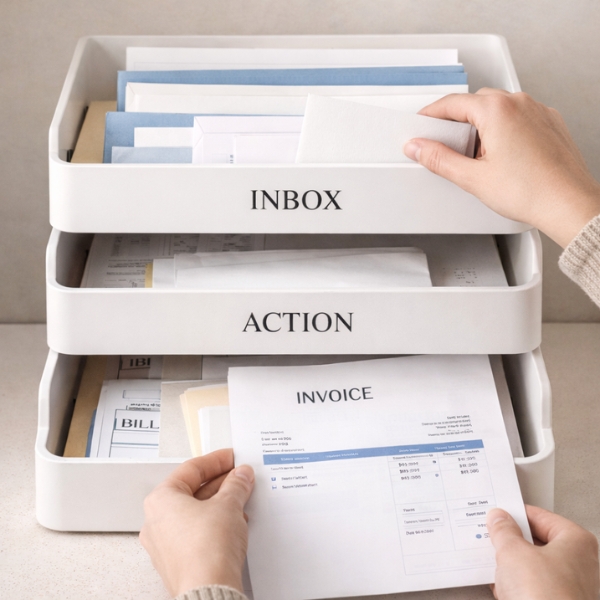
Start with just ONE category. I recommend starting with mail since it enters your home daily. Create a system right by where you collect your mail: a small trash can for junk mail, a “to file” folder for things like bills or statements, and an “action needed” tray for items requiring response. When you bring in the mail, stand there for 60 seconds and sort every piece immediately.
The first few times will feel tedious. You’ll want to just dump everything on the counter and walk away. Resist that urge. After about two weeks of consistent practice, sorting mail immediately will feel more natural than piling it up.
Once mail becomes automatic, expand to other categories. When you finish folding laundry, put it away immediately instead of leaving it in the basket. When you finish using the scissors, return them to the drawer right then. These micro-actions take 30 seconds each but save you hours of “tidying up” later.
The exception: If something truly requires more time than you have in that moment (like a form that needs 20 minutes to complete), put it directly into your “action needed” location with a sticky note about what needs doing. Don’t let it sit in limbo.
Related: 35 Easy Home Cleaning Ideas
8. Use Drawer Dividers Everywhere
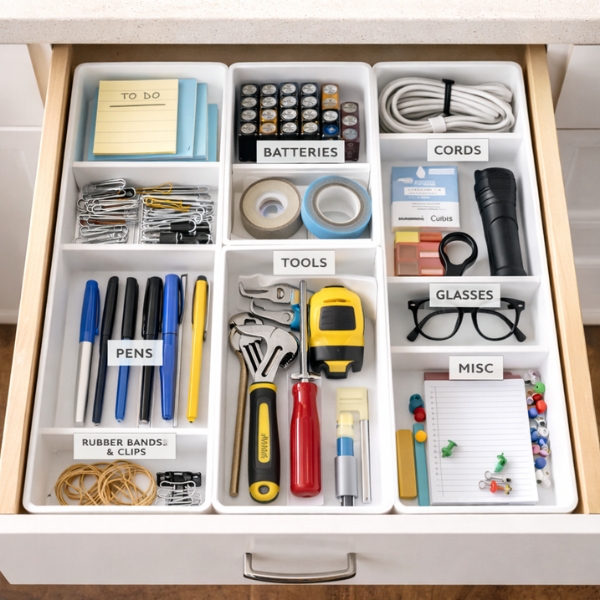
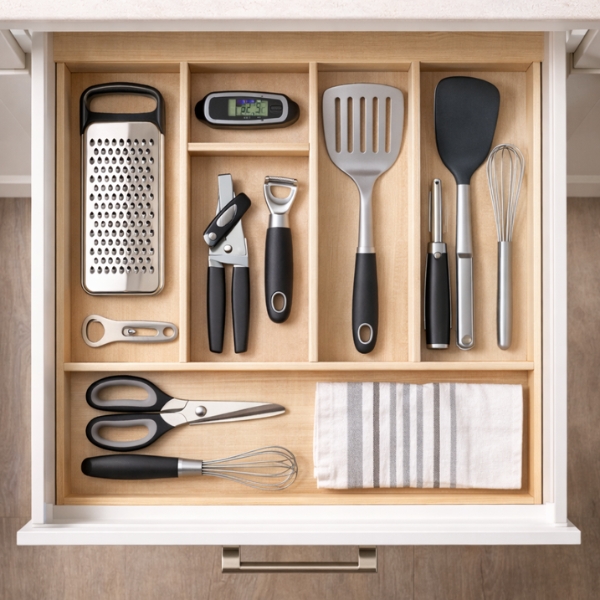
Junk drawers don’t have to be junk drawers. Install simple dividers in kitchen, bathroom, and desk drawers to create designated spaces for different items. Suddenly, you’ll know exactly where to find batteries, charging cables, or that one screwdriver you need. Drawer dividers are inexpensive and transform chaotic drawers into functional storage spaces that actually work.
9. Store Items Where You Use Them
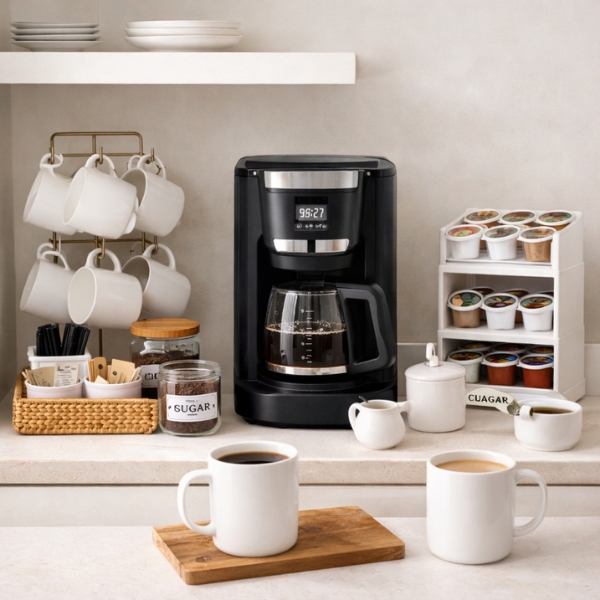
This seems obvious, but so many people store things based on tradition rather than logic. Keep coffee mugs near the coffee maker, store toys in the rooms where kids actually play, and put your most-used pots and pans in the most accessible cabinets. When items are stored near their point of use, putting them away becomes second nature instead of a chore.
10. Create a Donation Station
Keep a designated box or bag in your closet or garage for items you’re ready to donate. As soon as you realize something doesn’t fit, isn’t being used, or no longer serves you, toss it in the donation station immediately. When the container fills up, drop it off at your local donation center. This ongoing system prevents unwanted items from lingering in your home for months or years.

11. Use the “Four Box Method” for Decluttering
When tackling a cluttered space, use four boxes labeled “Keep,” “Donate,” “Trash,” and “Relocate.” Pick up each item and immediately place it in one of the four boxes. This method forces you to make quick decisions and keeps you from getting overwhelmed or sentimental. Once you’ve sorted everything, immediately remove the donate, trash, and relocate boxes so items don’t creep back into the space.

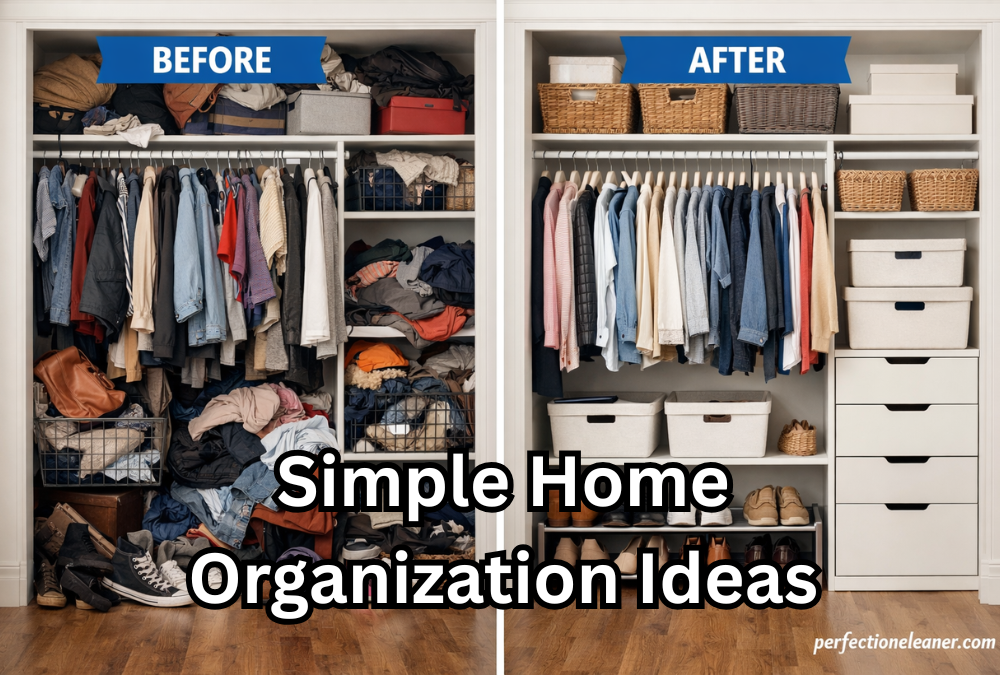
12. Organize Your Closet by Category and Color
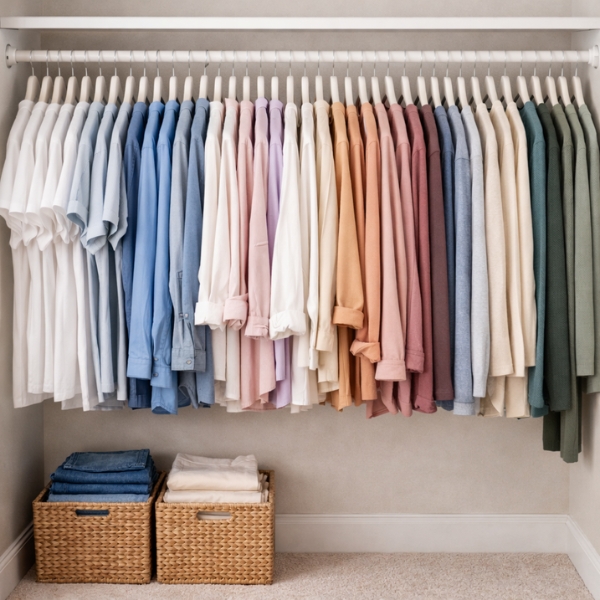
Group similar items together in your closet all shirts together, all pants together and then organize each category by color. This system makes getting dressed so much faster because you can quickly see all your options. You’ll also notice gaps in your wardrobe, which helps you shop more intentionally instead of buying random pieces that don’t work with what you already own.
Step-by-step closet transformation:
Most people organize their closet once and then let it slowly devolve into chaos. Here’s how to create a system that actually stays organized:
Step 1: Empty completely. Yes, everything. Take every single item out of your closet and lay it on your bed. This forces you to touch and evaluate each piece rather than just shuffling things around.
Step 2: Purge ruthlessly. Use these questions: Have I worn this in the past year? Does it fit my current body and lifestyle? Do I feel confident when I wear it? If the answer to any question is no, it goes in the donation box. Be honest—that dress you’ve been saving “just in case” for five years isn’t coming back into style for you.
Step 3: Group by category. Create piles: long-sleeve shirts, short-sleeve shirts, pants, dresses, jackets, etc. Seeing 15 black t-shirts in one pile makes you realize you don’t need to keep all of them.
Step 4: Organize by color within each category. Use this order: white, cream, tan, pink, red, orange, yellow, green, blue, purple, brown, gray, black. This creates a visual gradient that’s both beautiful and functional.
Step 5: Adjust your hanging. All hangers should face the same direction. Leave a little breathing room between garments. If things are smashed together, you’ll never maintain the system.
The maintenance secret: Every time you do laundry, put clothes back in their designated color section. When you try something on and decide not to wear it, hang it back in the right spot immediately. The system maintains itself when you follow it consistently.
Bonus benefit: This system also reveals what you actually wear. After a month, you’ll notice some color sections get worn constantly while others stay untouched. This tells you exactly what to buy more of and what colors to avoid.
13. Use Tension Rods for Extra Storage
Tension rods are incredibly versatile organizing tools. Install them under sinks to hang spray bottles, in closets to double your hanging space, or inside cabinets to create vertical dividers for baking sheets and cutting boards. They’re affordable, don’t require tools to install, and can be moved easily if your needs change.

14. Label Everything
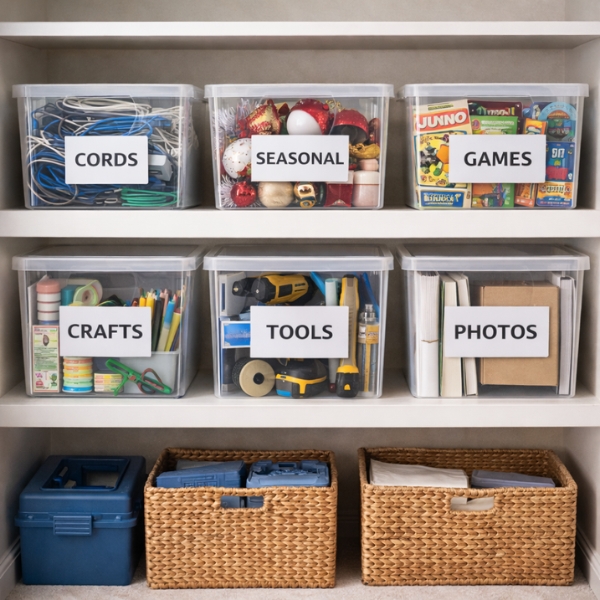
Labels might seem unnecessary, but they’re game-changers for maintaining organization long-term. When everything is clearly labeled, family members know exactly where items belong and are more likely to put things away correctly. Use a label maker for a polished look, or simply use masking tape and a marker. The key is consistency—label bins, baskets, shelves, and drawers throughout your home.
15. Implement a Paper Management System
Paper clutter is one of the biggest organizational challenges for most households. Create a simple system with three categories: “Action Needed,” “To File,” and “To Shred.” Process papers immediately when they enter your home, and schedule a weekly time to handle anything in the action folder. Going digital wherever possible also dramatically reduces paper accumulation.

The complete paper management system that actually works:
Paper multiplies like magic if you don’t have a strict system. Here’s the exact process I use that keeps paper from taking over my home:
The Entry Point: Place a three-tiered tray or three separate folders near where mail enters your home. Label them clearly: “Action Needed” (bills to pay, forms to fill out), “To File” (statements, receipts to keep), and “To Shred” (anything with personal information you don’t need to keep).
The Daily Sort (2 minutes): Every single day when mail arrives, stand right there and sort. Junk mail goes directly into recycling don’t even bring it inside. Catalogs you won’t read? Recycling. Advertisements? Recycling. You should immediately trash about 60-70% of your mail.
For the remaining mail, ask: Does this require action? (Goes in Action Needed.) Do I need to keep this for records? (Goes in To File.) Does it have sensitive information but I don’t need it? (Goes in To Shred.)
The Weekly Action Hour: Schedule one specific time each week—I do Sunday mornings with coffee—to handle everything in the “Action Needed” folder. Pay bills, fill out forms, respond to letters. Once completed, these papers either move to “To File” or get shredded if you don’t need to keep them.
The Monthly Filing Session: Once per month, take 15 minutes to file everything in your “To File” tray. Use a simple filing system with categories like “Medical,” “Financial,” “Insurance,” “Home,” “Auto,” and “Taxes.” Within each category, file chronologically with the most recent on top.
Also Read: How to Store a Mattress?
The Annual Purge: Every January, go through your files and shred anything older than your required retention period. Most household documents only need to be kept for 1-3 years. Tax documents need 7 years. Medical records should be kept indefinitely. Check specific retention requirements for your situation.
Go Digital When Possible: Set up paperless billing for everything that offers it. When you receive paper statements you need to keep, scan them immediately with your phone and upload to a cloud storage folder with the same categories as your physical files. Then shred the paper version unless it’s something you legally need to keep in physical form (like property deeds).
Pro tip: Keep a small box of checks-waiting-to-clear near your action folder. When you write a check, toss the bill stub in this box. Once the check clears (usually within a week), move the stub to your “To File” folder. This prevents you from accidentally paying twice.
This system seems like work initially, but it saves you HOURS of dealing with paper piles later. Once you establish the rhythm, it becomes completely automatic.
16. Use Lazy Susans in Deep Cabinets
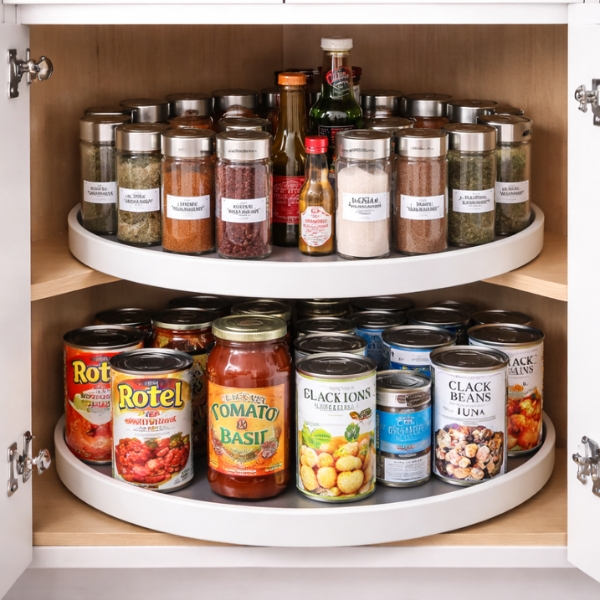
Those deep corner cabinets in kitchens and bathrooms are notorious black holes where items disappear forever. Place lazy Susans inside them to make everything easily accessible with just a spin. This works beautifully for spices, canned goods, cleaning supplies, or any small items that get lost in the back of deep shelves.
17. Create a “Launching Pad” for Each Family Member
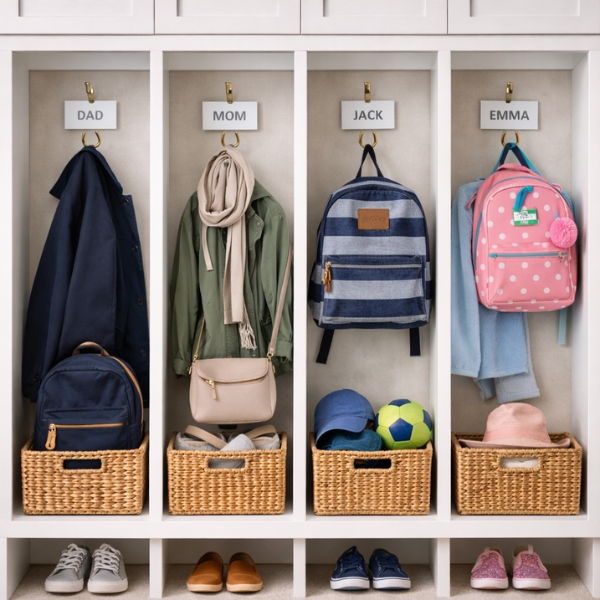
Give each person in your household their own designated spot near the door for shoes, bags, coats, and anything they need for the next day. This could be a cubby, a hook with a basket underneath, or a section of bench with storage. These personal launching pads eliminate the morning scramble and keep everyone’s belongings contained instead of scattered throughout the entryway.
18. Store Similar Items Together
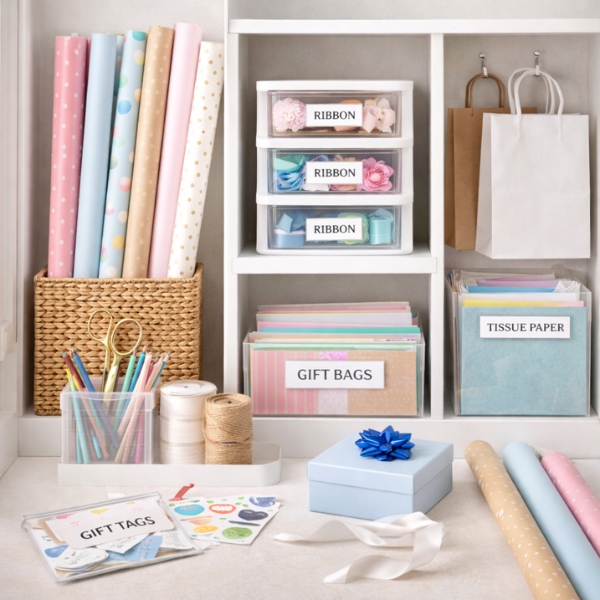
Keep all your gift-wrapping supplies in one location, all your batteries and light bulbs together, and all your first-aid items in one kit. When similar items are grouped together, you’ll always know where to find what you need, and you won’t accidentally buy duplicates because you forgot you already had something. This principle applies to every area of your home.
19. Use the “Capsule” Approach for Kitchen Tools
You don’t need 15 different spatulas or three sets of measuring cups. Keep only what you actually use regularly and donate or store the rest elsewhere. Having fewer, high-quality tools makes your kitchen more functional and your drawers less cluttered. The same principle applies to bathroom products, craft supplies, and any other category where you’ve accumulated multiples.
20. Implement Zones in Shared Spaces
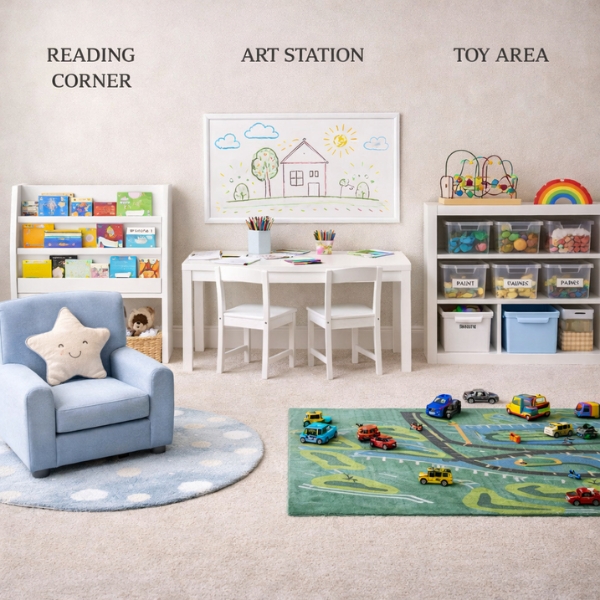
Divide shared spaces like playrooms, home offices, or garages into specific zones reading zone, craft zone, work zone, etc. Each zone should have its own storage system for items that belong there. This approach makes it crystal clear where things go and prevents the chaos that happens when everything is mixed together without purpose.
21. Use Over-the-Door Storage Strategically
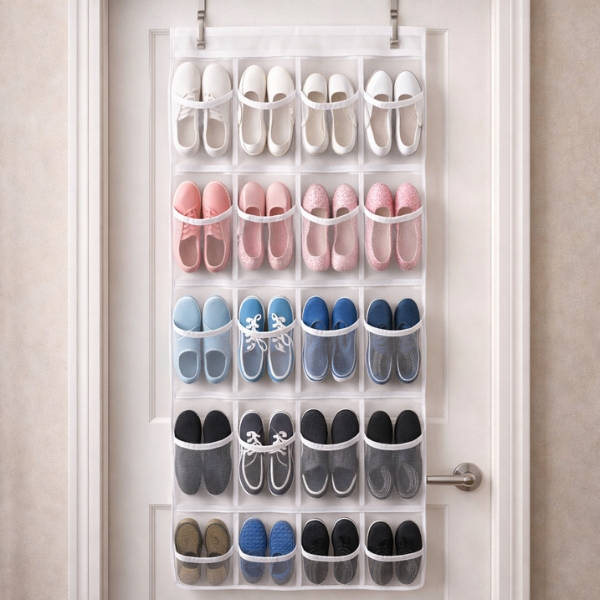
Don’t overlook the backs of doors as valuable storage real estate. Over-the-door organizers work wonderfully for shoes, cleaning supplies, accessories, pantry items, and more. They’re especially useful in small spaces where you need every possible storage option. Just make sure not to overload them to the point where doors won’t close properly.
22. Create a Five-Minute Nightly Reset Routine
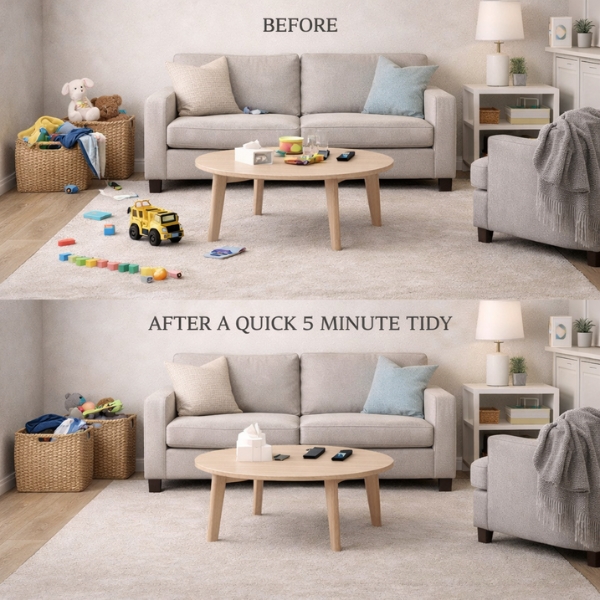
Spend just five minutes each evening doing a quick reset of your main living spaces. Put items back where they belong, wipe down counters, and straighten cushions. This tiny habit prevents overwhelming messes from building up and ensures you start each day with a clean slate. Set a timer to keep yourself on track and make it a family activity where everyone helps.
23. Store Out-of-Season Items Away
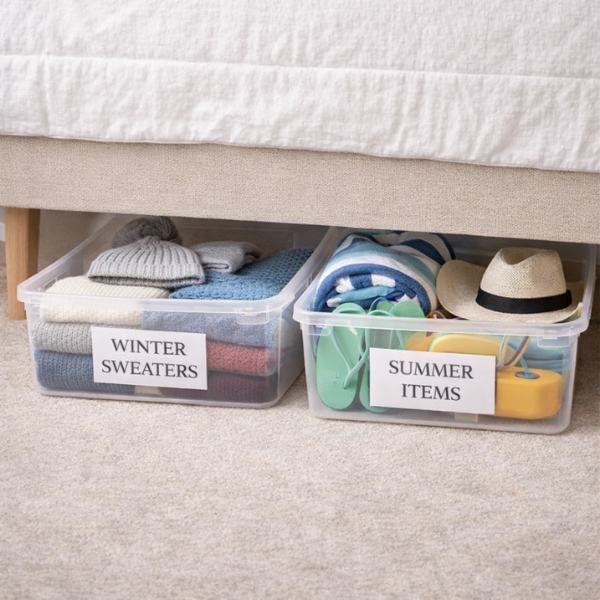
Don’t let winter coats take up precious closet space in July, and don’t keep beach towels in your linen closet year-round. Rotate seasonal items every few months, storing off-season belongings in bins under beds, in attic spaces, or in garage storage. This frees up prime real estate for items you’re actually using right now.
24. Use Baskets for Visual Clutter Control
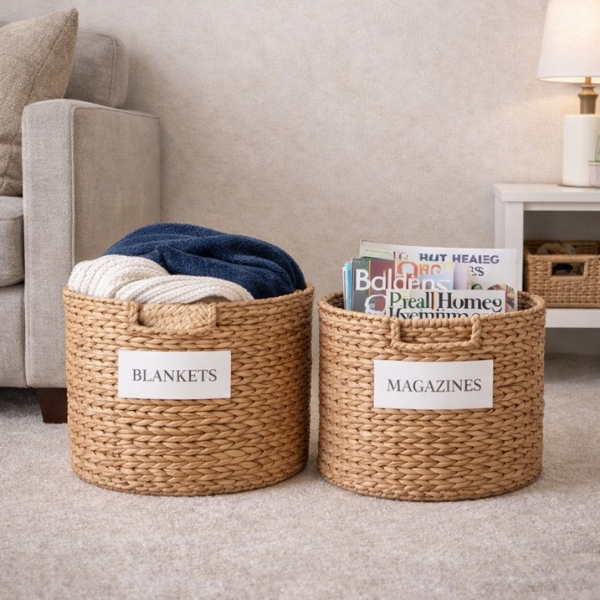
Even organized homes have items that can’t be neatly stored away. Decorative baskets are perfect for corralling magazines, throw blankets, kids’ toys, or pet supplies while keeping spaces looking tidy. Choose attractive baskets that complement your décor, and suddenly your “clutter” becomes part of your design scheme.
25. Digitize What You Can
We live in a digital age, yet many of us still hang onto paper copies of everything. Scan important documents, save digital copies of receipts, and take photos of sentimental items you don’t need to keep physically. Cloud storage is essentially unlimited and free from the physical clutter that paper creates. You’ll still have access to everything, but without the storage burden.

26. Schedule Regular Decluttering Sessions
Organization isn’t a one-time project it’s an ongoing practice. Schedule quarterly or seasonal decluttering sessions where you go through different areas of your home. Mark them on your calendar just like any other important appointment. These regular check-ins prevent clutter from building up and keep your organization systems functioning smoothly.
Your Next Steps to an Organized Home
The secret to a truly organized home isn’t perfection it’s having simple systems in place that work with your lifestyle rather than against it. Start with just two or three of these ideas that resonate most with your current challenges. Once those become habits, add a few more. Before you know it, you’ll have transformed your home into a space that supports and simplifies your daily life.
Organization reduces stress, saves time, and creates space both physical and mental for what truly matters. Your home should be a sanctuary, not a source of constant frustration. These simple ideas can help you create exactly that kind of space.
Home Organization Checklist
2. ____________________________________________
3. ____________________________________________
This printable checklist includes all 26 organization ideas with checkboxes so you can track your progress. Print it out and put it on your fridge or in your planner.
Read: How to Clean a Mattress Effectively Without a Vacuum Cleaner
If this article helped you reimagine your approach to home organization, share it with friends who might benefit from these ideas too. And leave a comment below telling me which tip you’re going to try first I’d love to hear from you.