
15-Point New Year Cleaning Checklist for a Fresh Start
A New Year cleaning checklist is different from a regular deep clean: it is the January reset after the holidays, when the house has hosted guests, cooked big meals and collected a month of extra clutter. The goal is not perfection in one day — it is a fresh start, room by room, before the new year settles into its routine.
This checklist is the post-holiday deep clean. The December clean before guests arrive is a different job — lighter, faster, focused on the rooms guests will see. January is when you go deeper: the oven, the fridge, the floors, the spots nobody touched all year.
Work through the fifteen points below over two or three weekends, and by the end of January the whole house will feel like a fresh start. If your floors need special attention after the holidays, our hardwood floor cleaning guide covers them in detail, and our dust removal guide pairs with the top-to-bottom dusting in point 7.
1. Kitchen Deep Clean: Oven, Fridge and Range Hood Filter
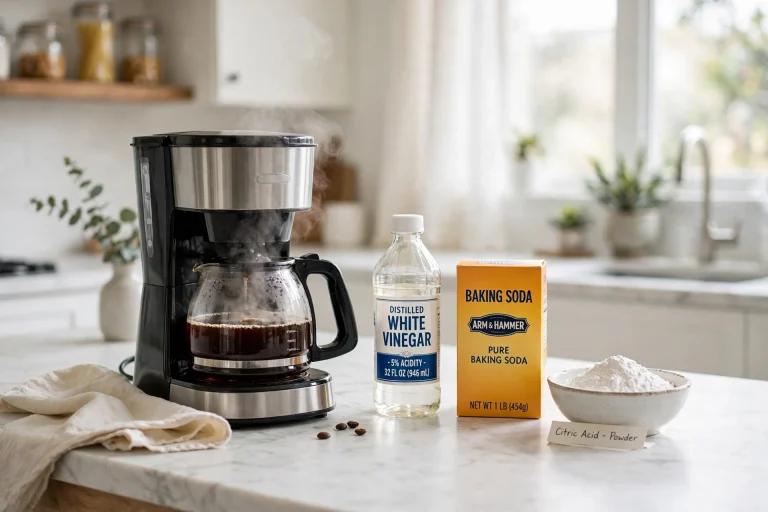
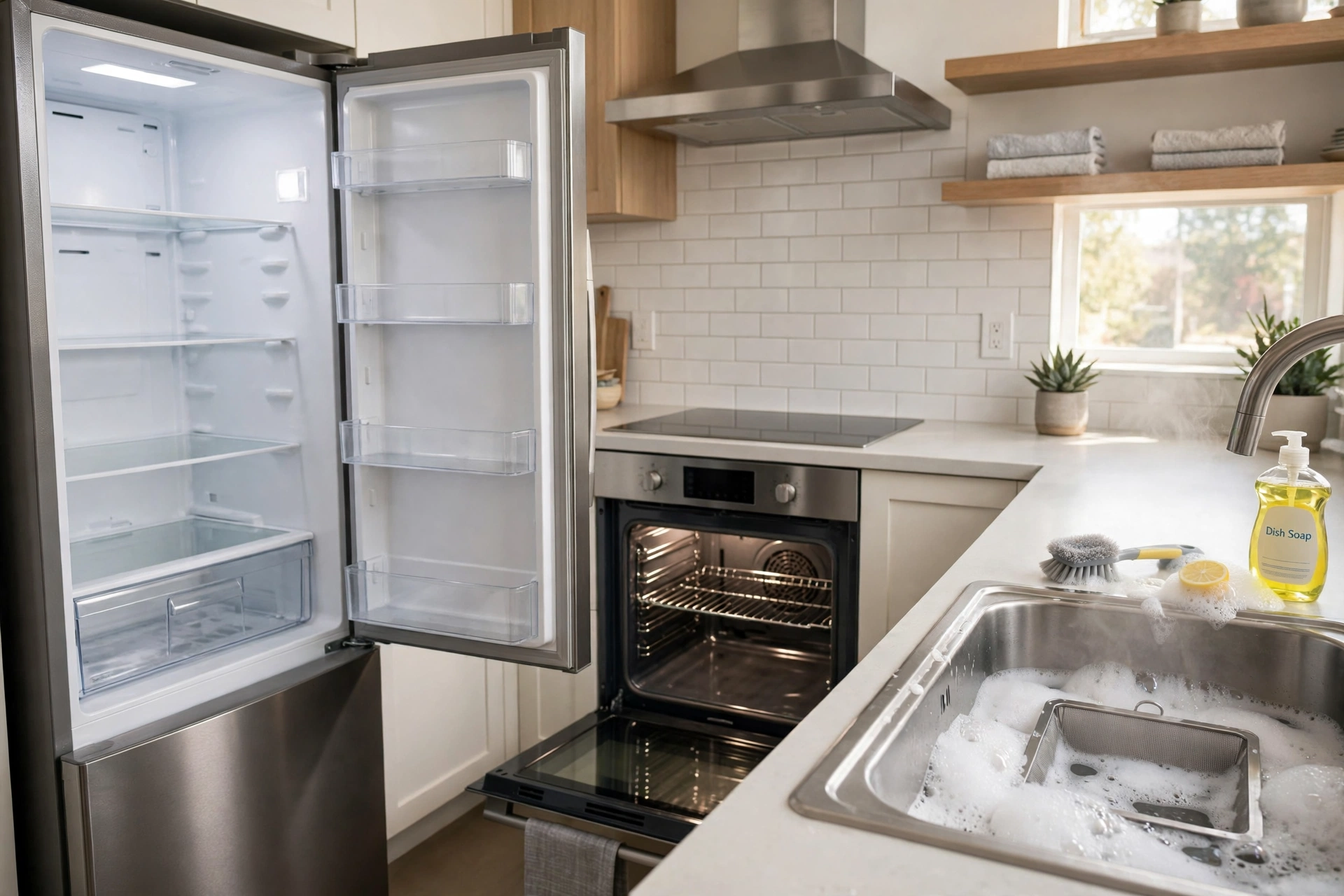
Start with the kitchen, because it worked the hardest over the holidays. Clean the oven first — run the self-clean cycle or use an oven cleaner, then wipe out the ash and residue once it cools. Empty the fridge completely, toss anything expired or past its best, wipe every shelf and drawer with warm soapy water, and put back only what you will actually use. Finish with the range hood filter, which most people never clean: pull it out, soak it in hot water with dish soap and a little baking soda, scrub it, and let it dry before replacing it. A clean filter means the hood actually pulls steam and cooking smells out again. The whole job takes about two hours — do it on the first weekend.
2. Bathroom Descaling and Grout Scrub
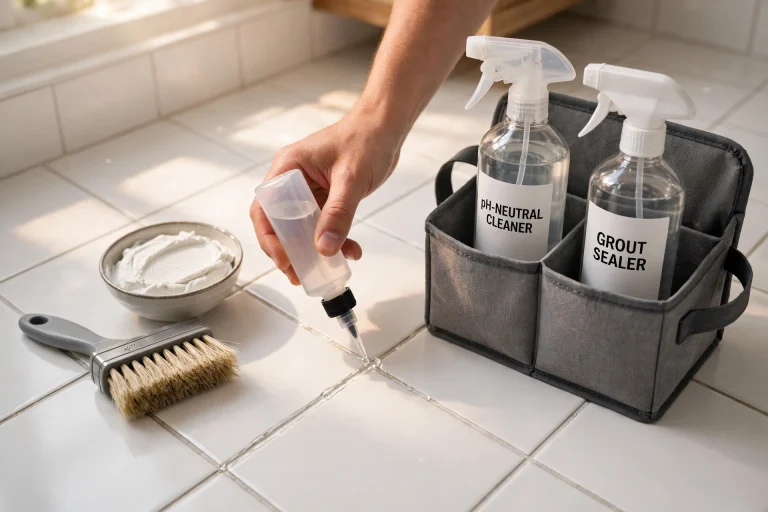
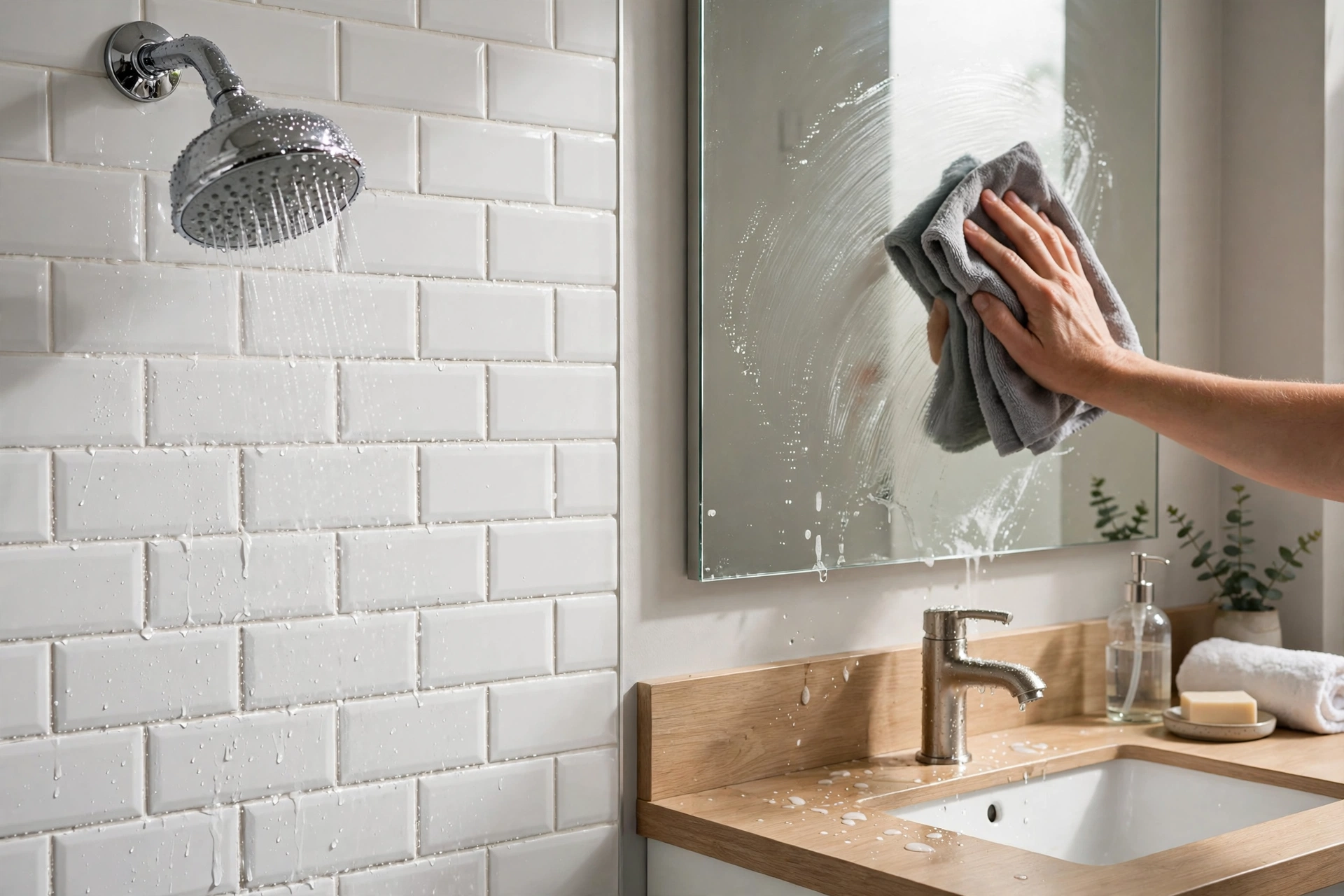
Bathrooms collect limescale and grimy grout faster than any other room, and January is the time to reset them. Descale the showerhead by soaking it in white vinegar for an hour, then run the shower to flush it out. Treat faucets the same way with a vinegar-soaked cloth wrapped around the spout. Then scrub the grout: a baking soda and hydrogen peroxide paste, left for ten to fifteen minutes and scrubbed with a nylon brush, brings back the original color on most tile. Our grout cleaning guide covers the full method, including what never to use on colored grout. Finish by wiping mirrors, cabinets and light fixtures, and replace the shower curtain liner if it has any mildew spots.
3. Floors: Steam Carpets, Mop Hard Floors, Remove Salt Film
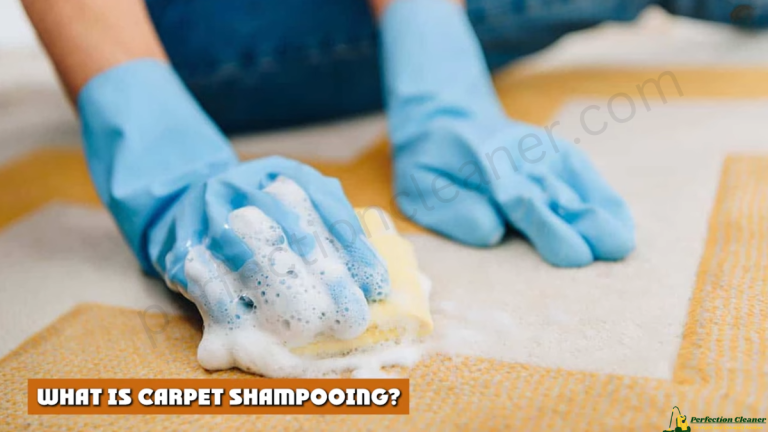
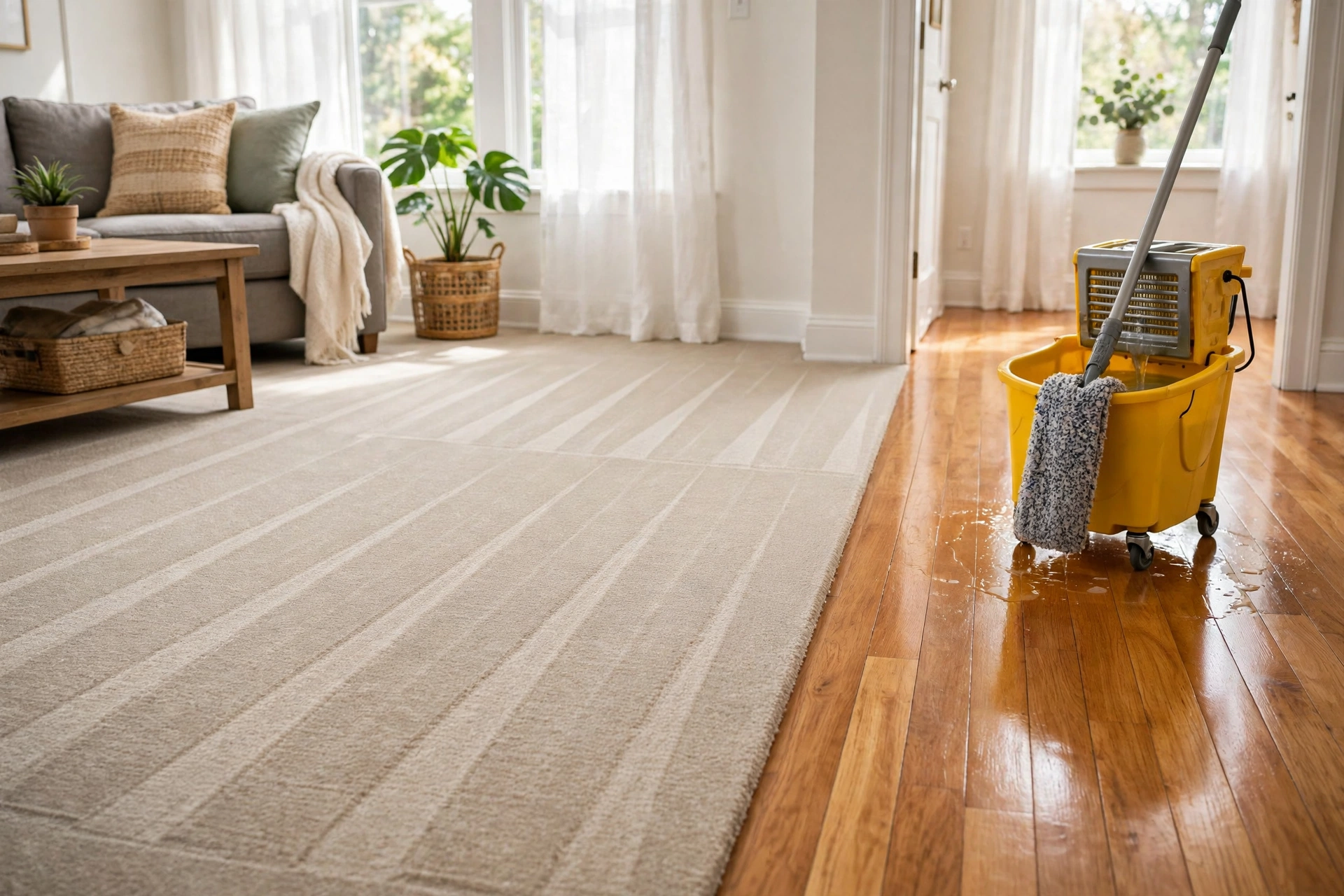
Winter floors take a beating: salt, slush and mud get tracked in all December, and carpets hold it all. Start by vacuuming every carpet slowly, twice, in different directions — then steam clean the high-traffic areas or rent a carpet cleaner for a weekend if you have wall-to-wall carpet. For hard floors, mop with a cleaner made for your floor type and change the water when it turns cloudy, so you are not spreading dirty water around. Pay special attention to the entryway and kitchen, where salt film leaves a white haze: a damp mop with a little white vinegar in the water (on tile and vinyl only, never on stone or hardwood) cuts through it. Let floors dry fully before putting rugs back down.
4. Bedrooms: Wash All Bedding, Flip or Rotate the Mattress
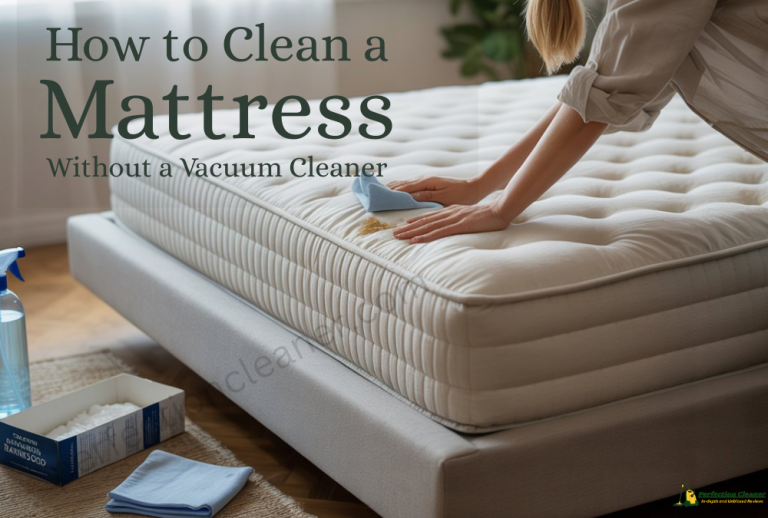
Bedrooms are easy to ignore because the mess hides under the covers — so January is the month to strip everything. Wash all bedding: sheets, pillowcases, duvet covers and mattress protectors. Wash the pillows too, if their care labels allow it, and air out the duvet for a few hours. Then flip the mattress if it is double-sided, or rotate it 180 degrees if it is not. This evens out wear and is one of those jobs that only takes ten minutes but makes a real difference to sleep. While the bed is stripped, vacuum the mattress surface and wipe down the bed frame and headboard, which collect dust all year.

5. Entryway Salt and Slush Cleanup
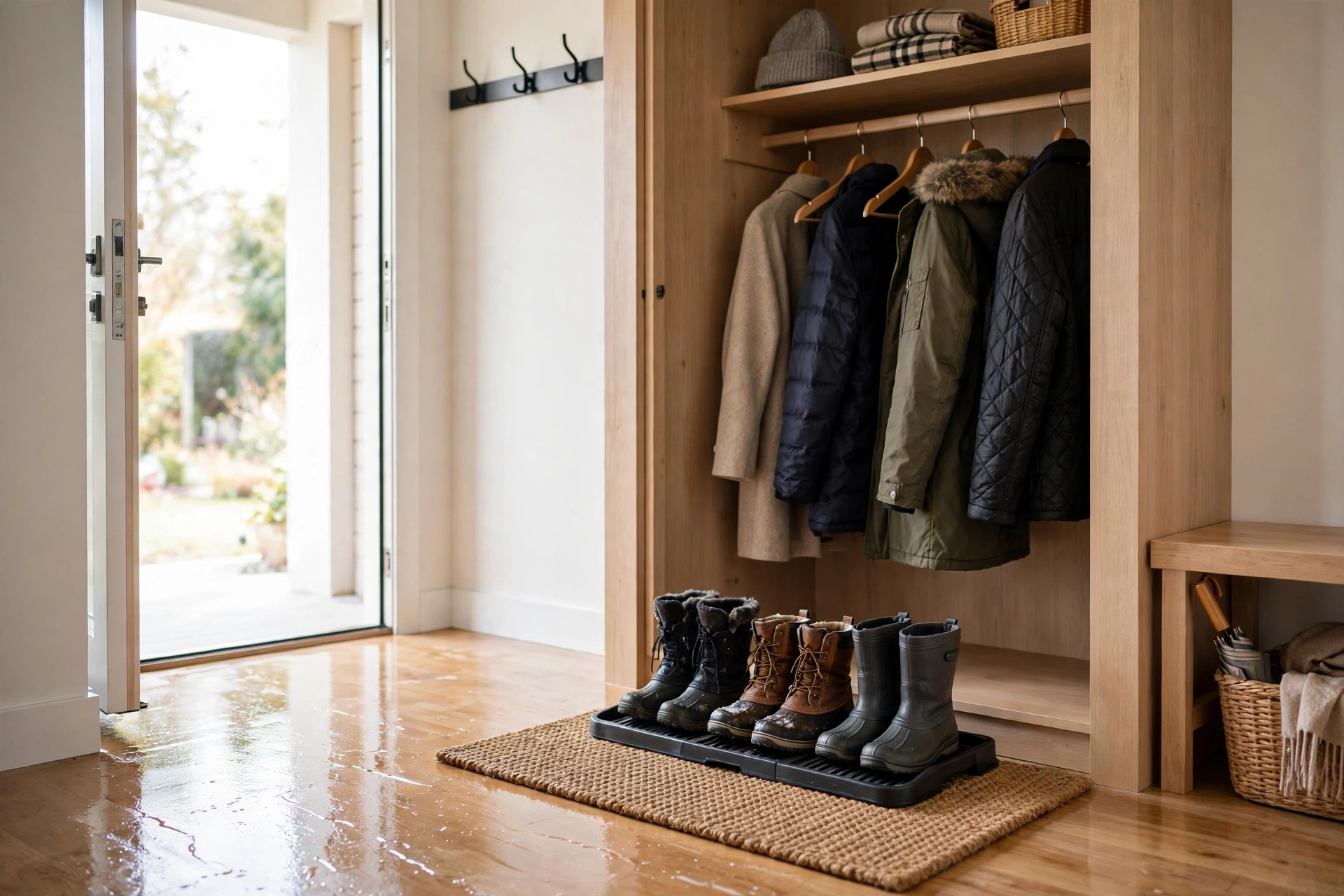
The entryway is the dirtiest spot in the house by January. Salt and slush dry into a crusty white film on the floor, the mat and the bottom of the coat closet. Pull the mat outside and shake it out, then scrub it with warm soapy water and let it dry completely before bringing it back in. Wipe down the floor, the baseboards and the lower walls where slush splashed. Empty the coat closet, vacuum the floor, and wipe the shoe rack or boot tray. Put a fresh boot tray by the door if you do not have one — it catches the next round of slush before it reaches the floor. This one job makes the whole house feel cleaner the moment you walk in.
6. Windows and Tracks
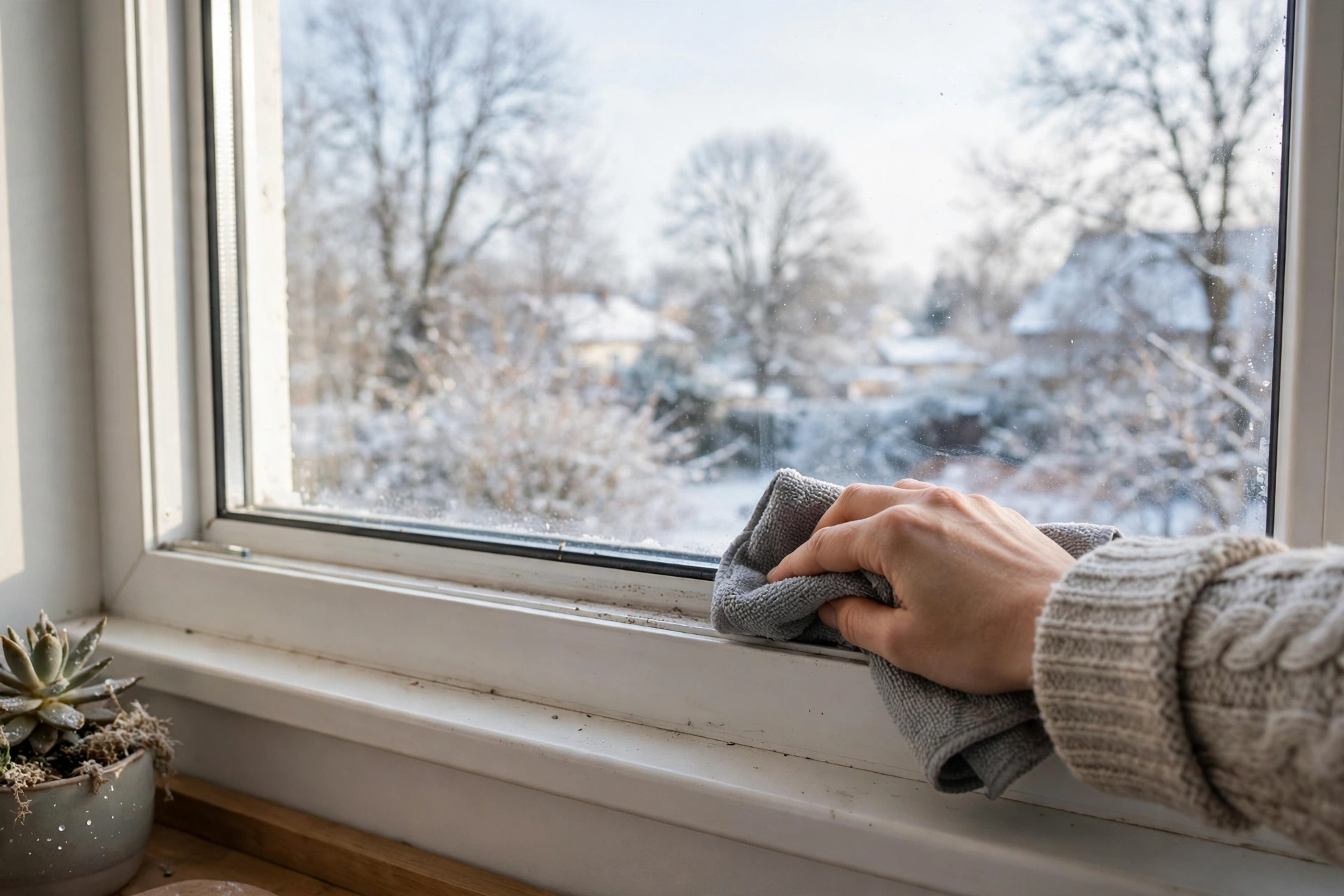
Windows look worse in January than any other month: low winter light shows every smudge, and the tracks collect dead insects, dust and condensation stains. Clean the glass inside and out if the weather allows — on a mild day, do the outside too; if it is freezing, the inside alone still makes a big difference. The tracks matter as much as the glass: vacuum them with a crevice tool, then wipe them with a damp cloth and an old toothbrush for the corners. Check the window seals while you are there — a drafty seal in January costs real money on heating. Clean windows let in noticeably more of the weak winter light, which is reason enough to do them now.
7. Dust Top to Bottom: Fans, Fixtures and Baseboards
Dust settles everywhere over the holidays, especially on the spots nobody reaches during normal cleaning. Work top to bottom so dust falls onto floors you will clean later: ceiling fans first (a damp pillowcase over each blade catches the dust instead of spreading it), then light fixtures, the tops of cabinets and shelves, picture frames and finally baseboards. Use a damp microfiber cloth rather than a feather duster, which mostly moves dust around. Pay attention to the tops of door frames and the back of the TV — both collect thick dust that shows up the moment the light hits it. Our guide to getting rid of dust has the full room-by-room method if you want to go deeper.

8. Forgotten Spots: Vents, Exhaust Fans and Behind Appliances
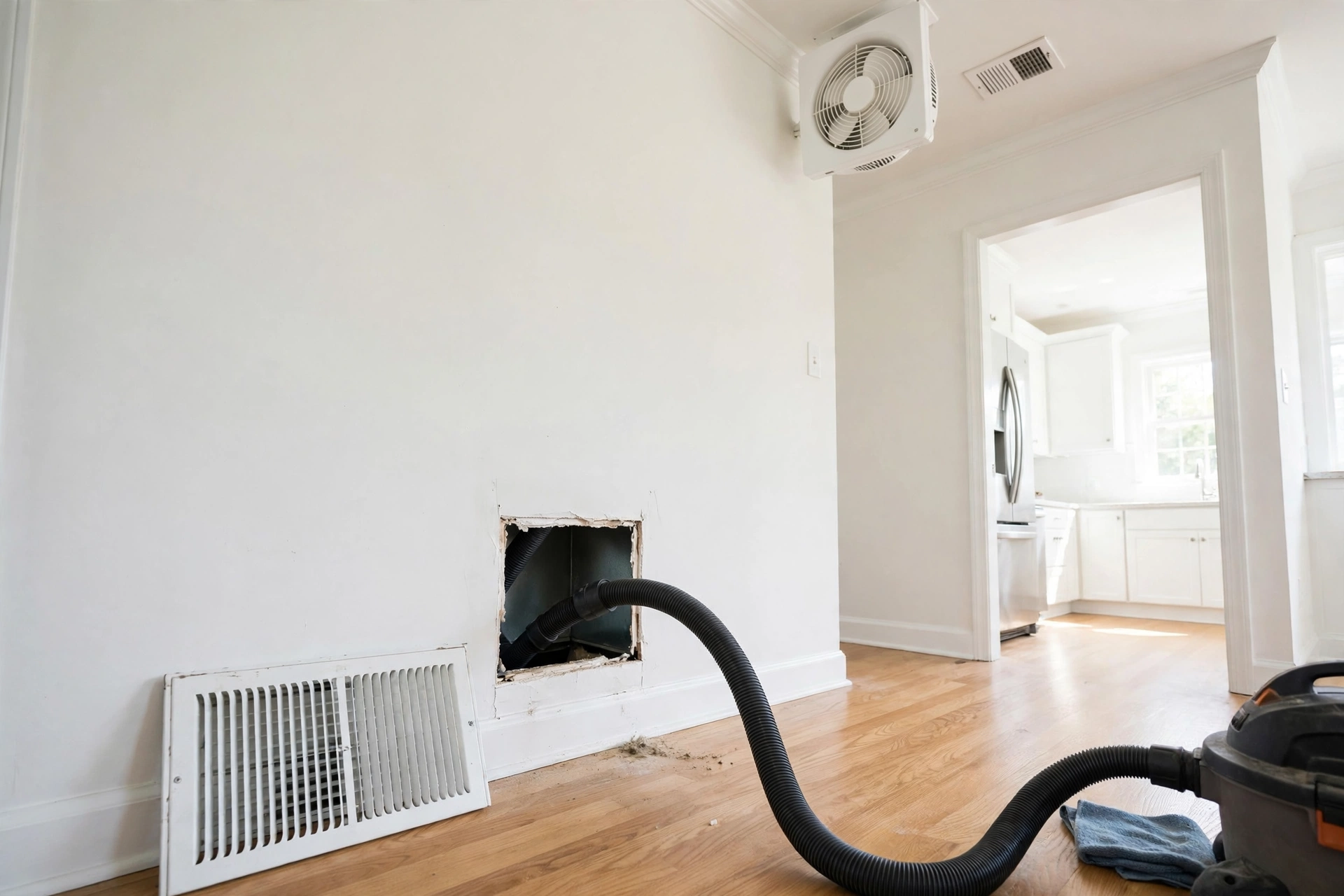
Every house has spots that go years without cleaning, and January is the time to catch them. Pull off vent covers and wash them, then vacuum inside the vent as far as the hose reaches. Clean the bathroom exhaust fan cover — dust on the fan makes it noisy and weak — and vacuum the vent behind the dryer, which is a fire risk when it clogs with lint. Then pull out the fridge and the stove if you can move them safely, and vacuum and mop behind them. You will find dust, crumbs and the occasional lost item from months ago. Check the dryer vent hose for lint buildup while you are there, and clean the vent on the outside of the house if it is reachable. These spots take an hour total and prevent real problems later.
9. Declutter Before You Clean Pass
Cleaning around clutter wastes half the effort — so before the deep clean, do one fast declutter pass. Walk through each room with a bag and pull out anything broken, expired or unused: dead batteries, dried-out pens, expired medicines, clothes that no longer fit, gadgets nobody uses. This is a purge, not an organizing project: the goal is simply less stuff to clean around. Anything in good shape goes straight into a donation box by the door so it leaves the house this week, not in three months. Our room-by-room declutter guide covers the full method if you want to go further — but for this checklist, one bag per room is enough.

10. Replace Worn Items: Shower Liner, Sponges and Old Products
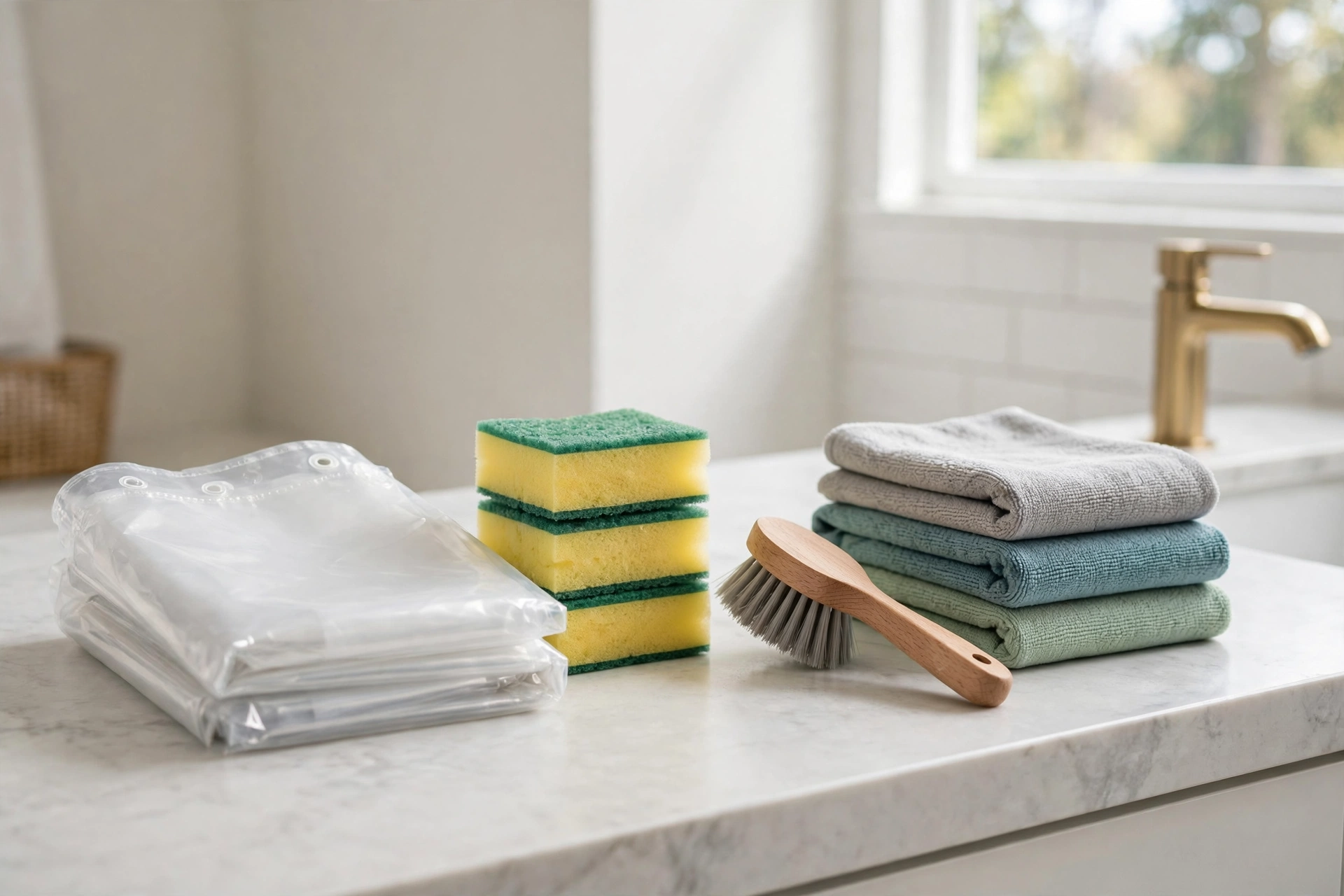
January is the natural moment to replace the things that wear out quietly. Swap the shower curtain liner if it has any mildew or stiffness. Replace kitchen sponges — they should be changed every one to two weeks anyway, and the holidays are a good excuse to start fresh. Toss old cleaning products that have lost their smell or separated, and check expiry dates on medicines and sunscreen. Replace the toothbrushes, the dish brush and any worn-out microfiber cloths that no longer pick up dust. These are small, cheap swaps, but using fresh tools makes every other cleaning job on this list work better — a worn sponge just moves grease around instead of removing it.
11. Laundry Room Reset
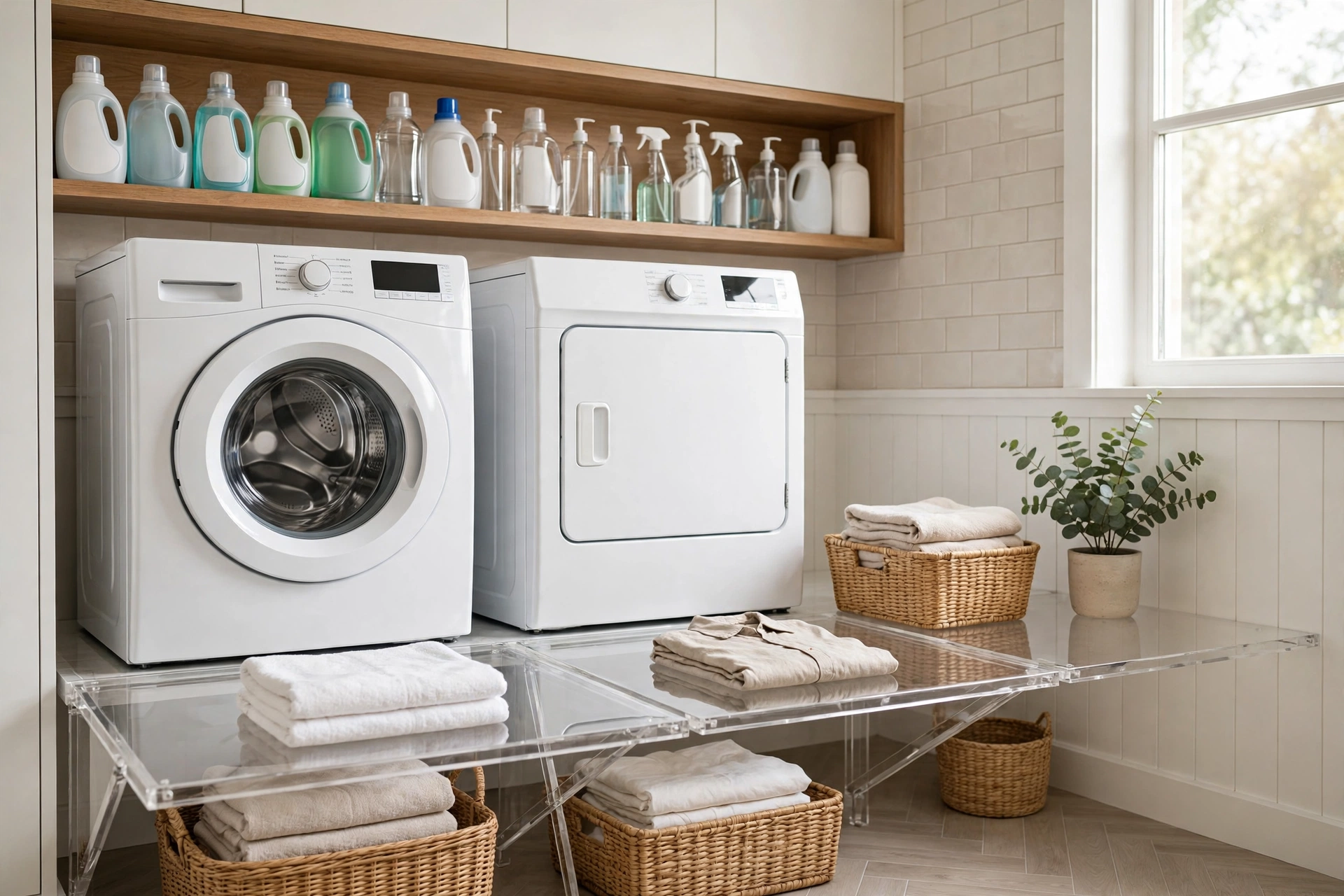
The laundry room works overtime in January — holiday linens, guest towels, winter clothes — and it deserves its own reset. Wipe down the washer and dryer inside and out, including the detergent drawer and the door seal, where mildew grows. Clean the lint trap housing with a vacuum crevice tool, not just the screen. Sort the laundry supplies: toss empty bottles, consolidate half-used detergents, and put everything back in one place. Wipe the folding counter and the floor, and check that the dryer vent hose is firmly connected. A tidy laundry room makes the weekly wash feel less like a chore for the rest of the year.
12. Clean the Vacuum and Cleaning Tools Themselves
Your cleaning tools spent December working hard, and they need cleaning too — dirty tools just spread dirt around. Empty the vacuum canister or replace the bag, wash or replace the filters, and cut away hair and thread wrapped around the brush roll. Wipe down the vacuum body and check the hose for clogs. Then do the rest of the kit: wash mop heads, rinse microfiber cloths in hot water (no fabric softener — it coats the fibers and stops them picking up dust), and replace any broom with bent bristles. Clean tools work noticeably better, and January is the one month you will actually notice the difference on every floor.

13. Restock Supplies for the Year
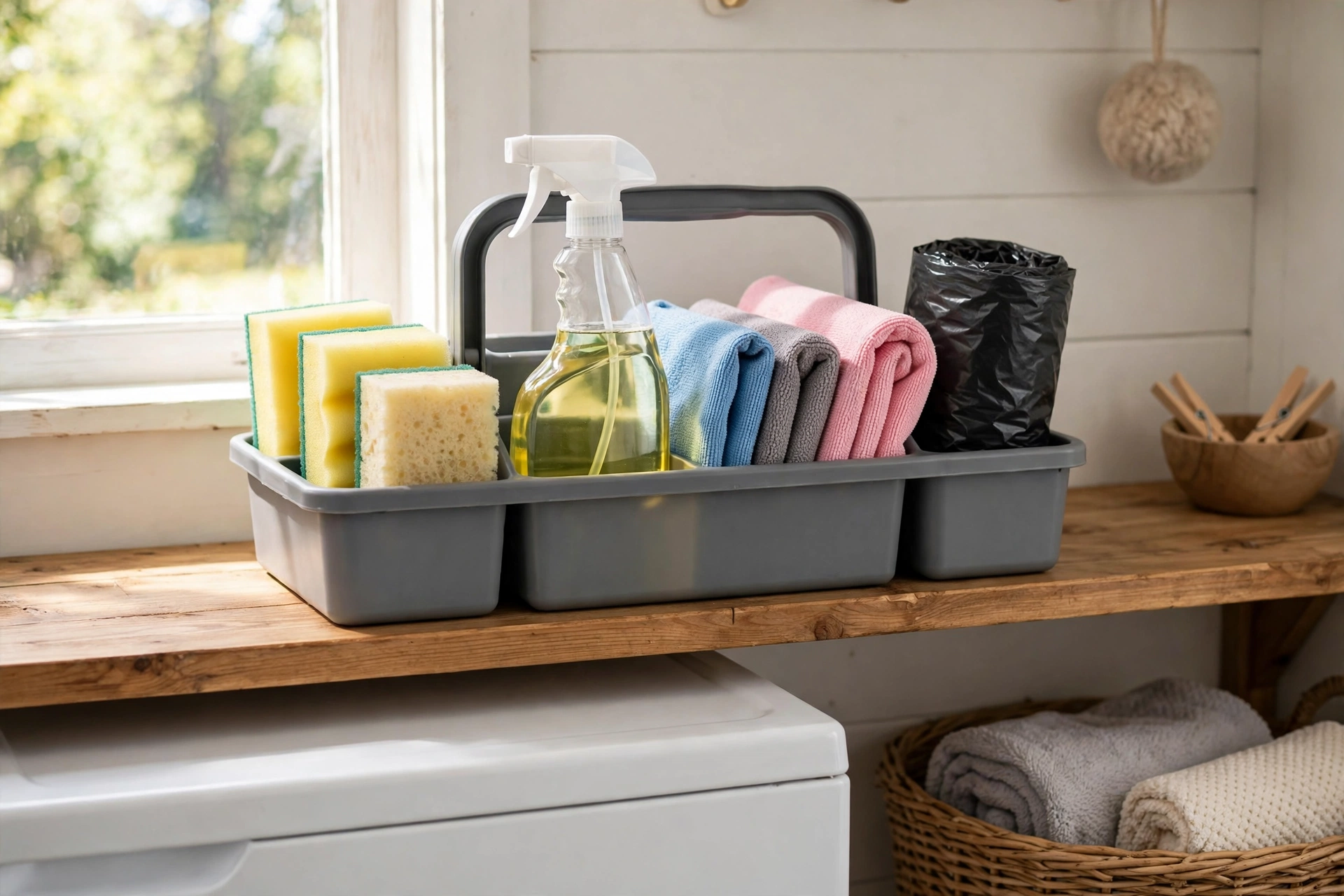
Once everything is clean, restock so you are not running out of basics in February. Check what you actually use: all-purpose cleaner, dish soap, laundry detergent, trash bags, paper towels, sponges and microfiber cloths. Buy the year’s supply of the things you use every week, and skip the specialty products you bought once and never touched. Store everything in one place — a single caddy or a shelf in the laundry room — so the next clean starts with grabbing the caddy, not hunting through three cabinets. Label the shelf if more than one person cleans, so supplies always go back to the same spot. A stocked caddy is the difference between a ten-minute tidy and a job that never happens.
14. Weekend-by-Weekend Plan: Spread It Over Two or Three Weekends
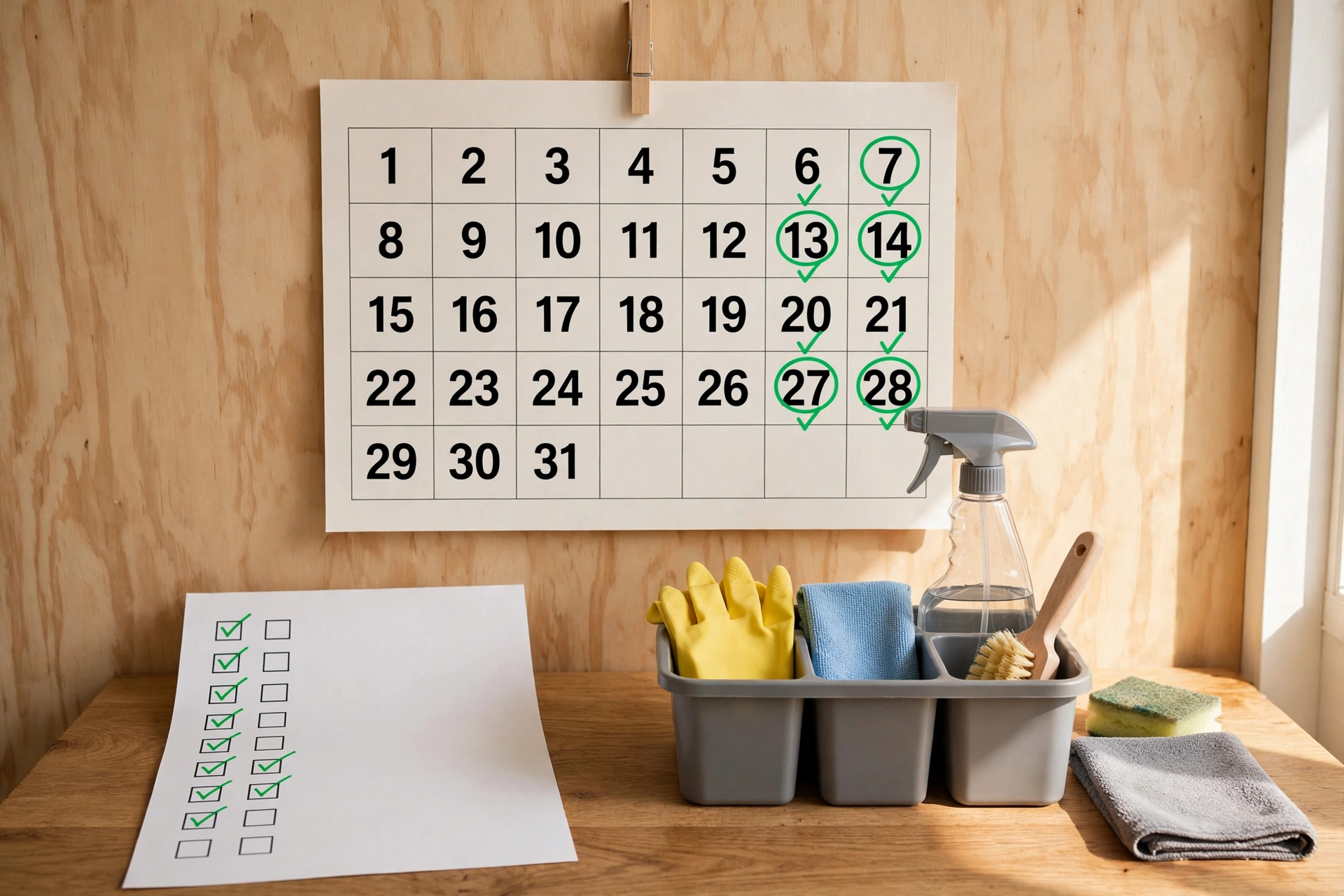
Nobody enjoys a whole weekend of deep cleaning, so spread this checklist out. Weekend one: kitchen and bathrooms (points 1 and 2), the hardest rooms, done while motivation is high. Weekend two: floors, bedrooms, entryway and windows (points 3 to 6). Weekend three: dusting, forgotten spots, laundry room and tools (points 7, 8, 11 and 12), plus the declutter pass and restock (points 9, 10 and 13). Each weekend is two to three hours, not a full day. Put the weekends on the calendar now — a plan written down is a plan that happens, and a vague intention to clean in January is a plan that quietly becomes March. If a weekend slips, just move it a week; the checklist still works in February.
15. Weekly Reset Habit So January Stays Clean
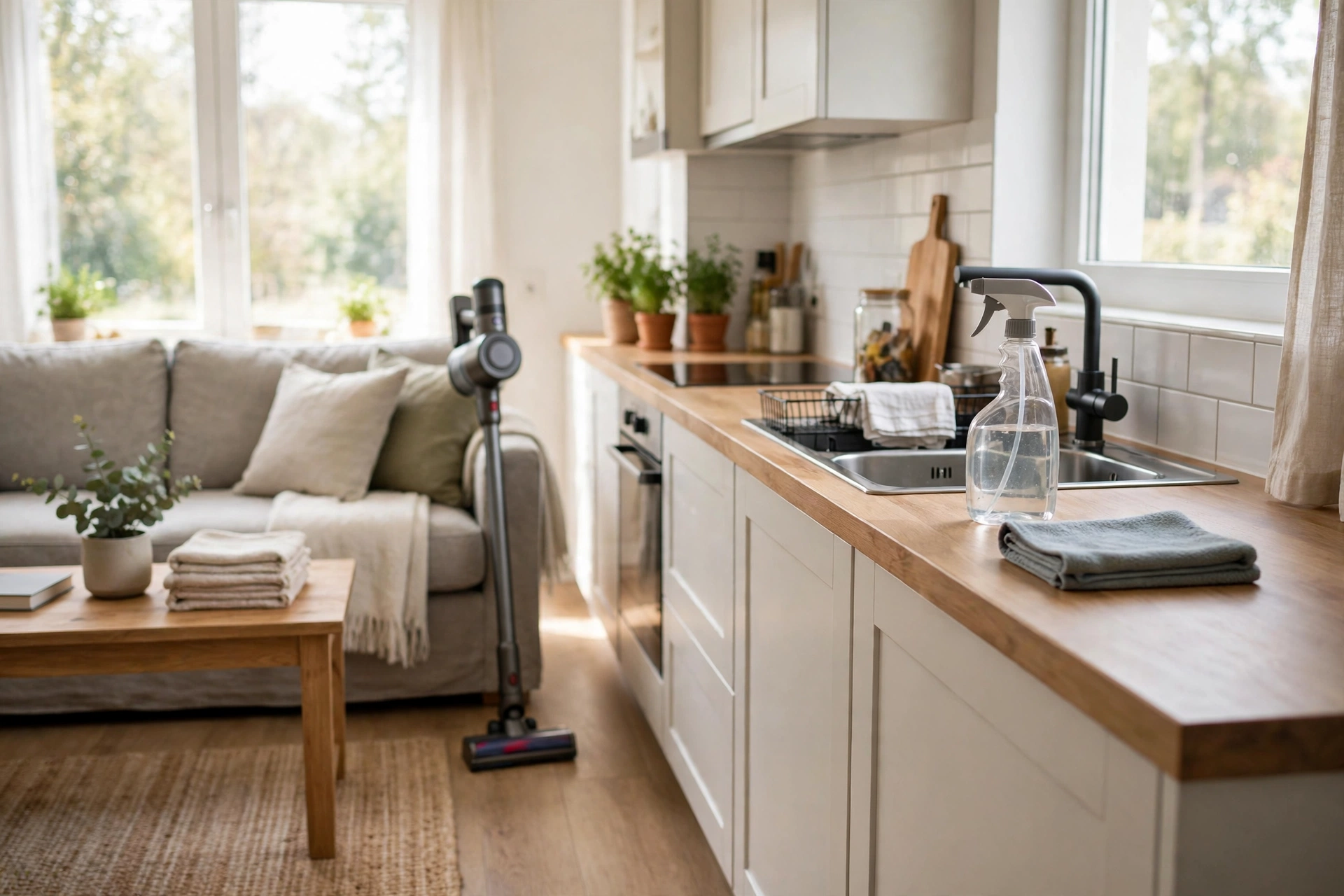
A deep clean only matters if the house stays clean, and that takes a habit, not a heroic effort. Pick one weekly reset: thirty minutes, same day each week, same routine — quick vacuum of high-traffic areas, wipe the kitchen counters and bathroom sinks, take out the trash and recycling, and put everything back where it belongs. Our 10-minute daily cleaning habits fit around this weekly reset: a few minutes a day keeps the weekly job small, and a small weekly job keeps the house from ever needing another deep clean like this one. Do the reset for four weeks and it stops feeling like a chore — it just becomes how the house stays.
Frequently Asked Questions
When should I start my New Year cleaning checklist?
Start your New Year cleaning checklist the first weekend of January, once the decorations are down and the guests are gone. Spread the fifteen points over two or three weekends — kitchen and bathrooms first, then floors and bedrooms, then the dusting and forgotten spots — so no single weekend takes more than two or three hours.
How is the New Year cleaning checklist different from the Christmas cleaning checklist?
The Christmas cleaning checklist is the lighter December clean before guests arrive, focused on the rooms guests will see. The New Year cleaning checklist is the January deep clean after the holidays: the oven, the fridge, the grout, the floors and the spots nobody touched all year.
How long does a full New Year deep clean take?
The whole checklist takes about six to nine hours spread over two or three weekends. The kitchen and bathroom deep clean is the longest single job at around two hours; most other points take thirty to sixty minutes each.
Should I declutter before I start cleaning?
Yes — do a fast declutter pass first, one bag per room, pulling out anything broken, expired or unused. Cleaning around clutter wastes half the effort, and a donation box by the door gets the good stuff out of the house the same week.
What cleaning supplies do I need for a New Year deep clean?
The basics cover almost everything: all-purpose cleaner, dish soap, baking soda, white vinegar, hydrogen peroxide, microfiber cloths, a nylon scrub brush, trash bags and fresh sponges. Restock them in one caddy before you start so every job begins with the tools in hand.
Related Reading
- How to Clean Hardwood Floors
- How to Get Rid of Dust in Your House
- How to Clean Stainless Steel
- 10-Minute Daily Cleaning Habits for a Tidy Home
- How to Declutter Your Home Room by Room
- Easy Home Cleaning Hacks
A New Year cleaning checklist is not about a perfect house — it is about starting January with a home that feels fresh instead of tired from the holidays. Work through the fifteen points over two or three weekends, keep the weekly reset going after that, and the deep clean you did in January will still be paying off in March. The fresh start is the point; the checklist is just how you get there.